Scoliosis assessment and corrective rehabilitation
Scoliosis is a complex three-dimensional change of the spine involving vertebral rotation and lateral deviation. Beyond visible asymmetry, it may contribute to altered movement, muscle imbalance, discomfort, and long-term functional problems.
Scoliosis affects approximately 2–4% of the population and often develops during adolescence. Early assessment and appropriate management are important because growth, posture, and everyday movement habits may influence progression. When scoliosis is first recognized in adulthood, people may already experience uneven shoulder loading, back pain, or postural changes that require an individualized discussion of goals.
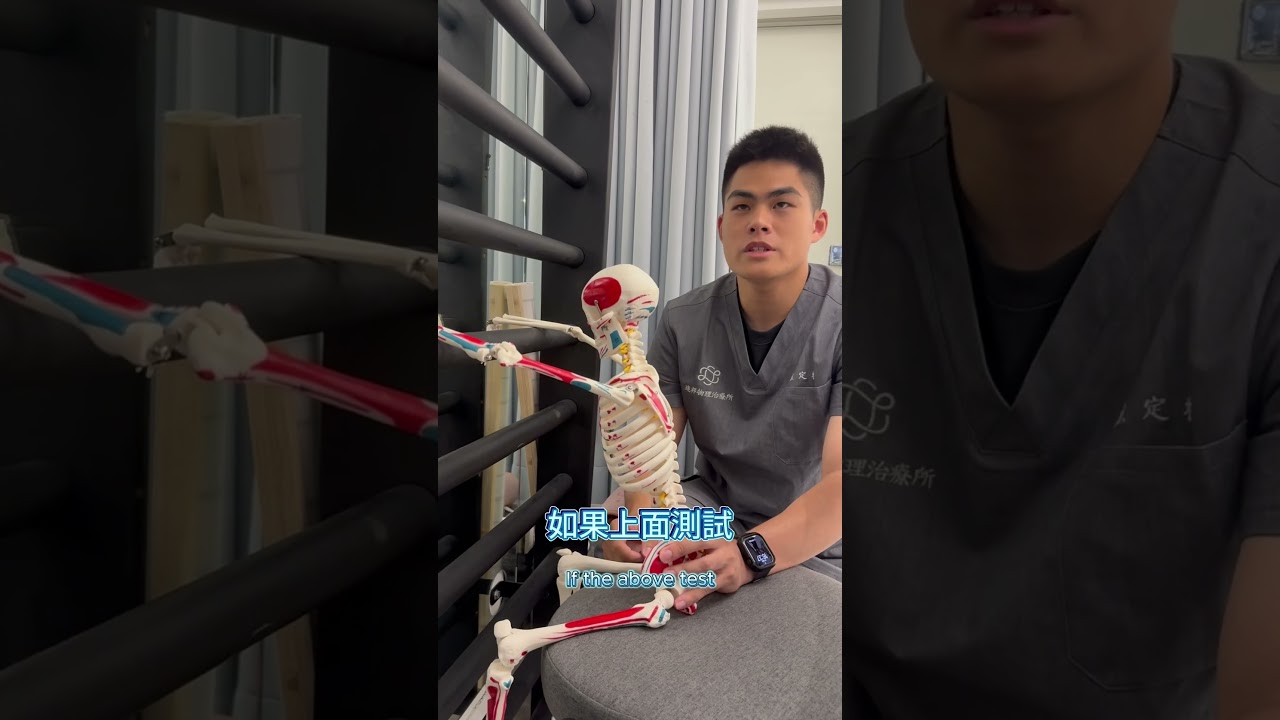
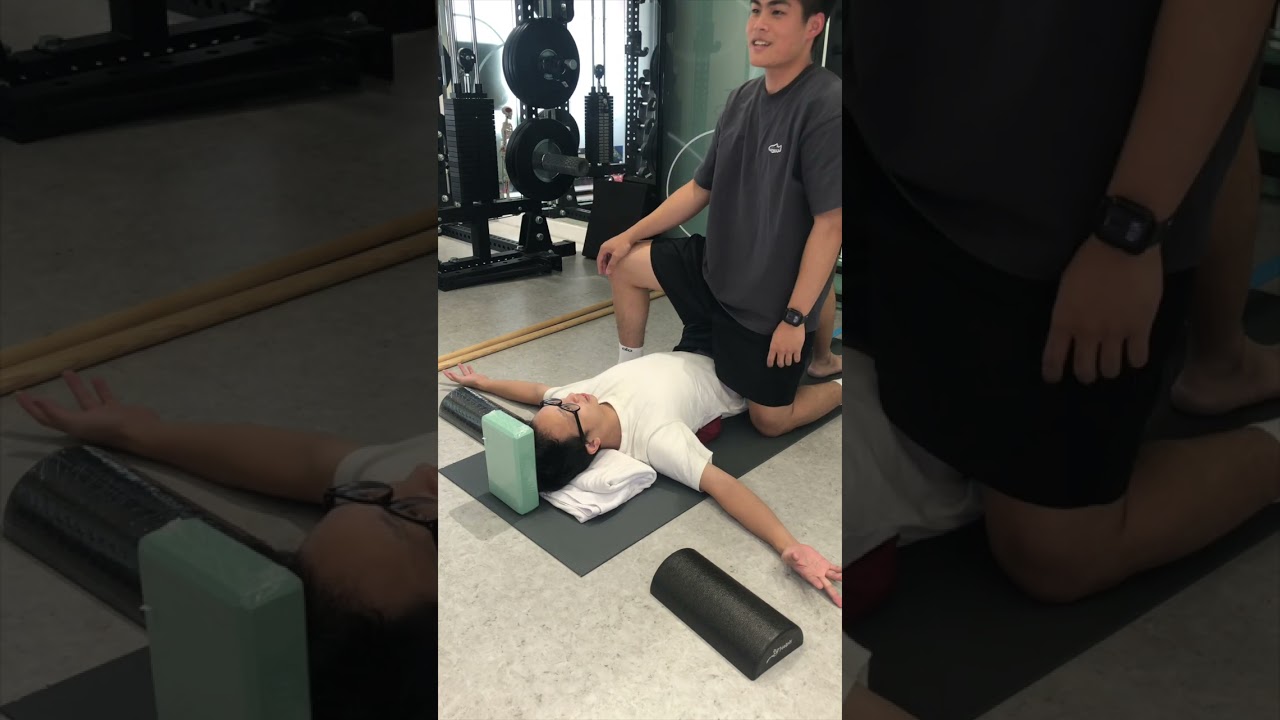
Our assessment reviews whole-body posture, spinal mobility, surrounding muscle strength, standing and walking patterns, curve characteristics, tissue tension, and balance. Based on the findings, your therapist develops a personalized program combining posture education, scoliosis-specific exercise, functional training, and practical guidance for daily life.
Clinic-based treatment is supported by a home exercise plan and regular follow-up. Progressive training aims to improve spinal alignment and movement control, restore balance, reduce discomfort, and help prevent further decline.